1. Comprehensive treatment of exhaust gas
The sulfur-containing waste gas (H ₂ S, SO ₂, CS ₂) and VOCs generated during the sulfurization process can be treated using a three-stage process:
Spray absorption: alkaline washing to remove acidic gases
Biofiltration: Microbial degradation of organic matter in packed towers
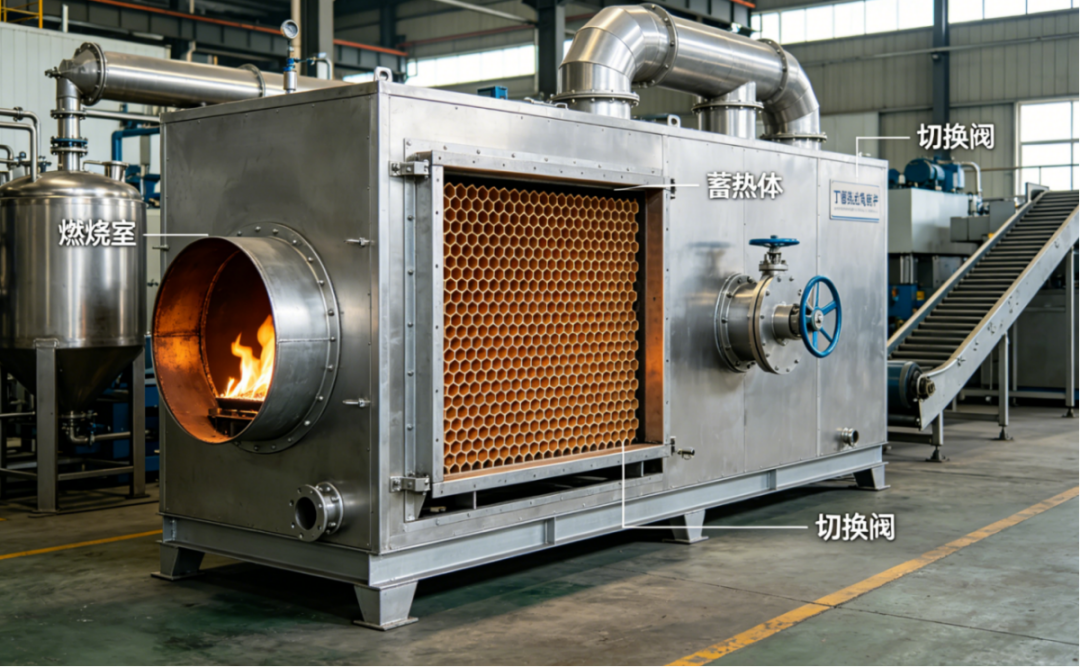
RTO incineration: high temperature oxidation above 850 ℃, heat recovery rate of 95%
2. Wastewater reuse and zero discharge
The wastewater from the production line mainly comes from leaching, cleaning, and chlorine washing processes, with a COD of about 800-1500mg/L, containing zinc ions (from zinc oxide) and surfactants.
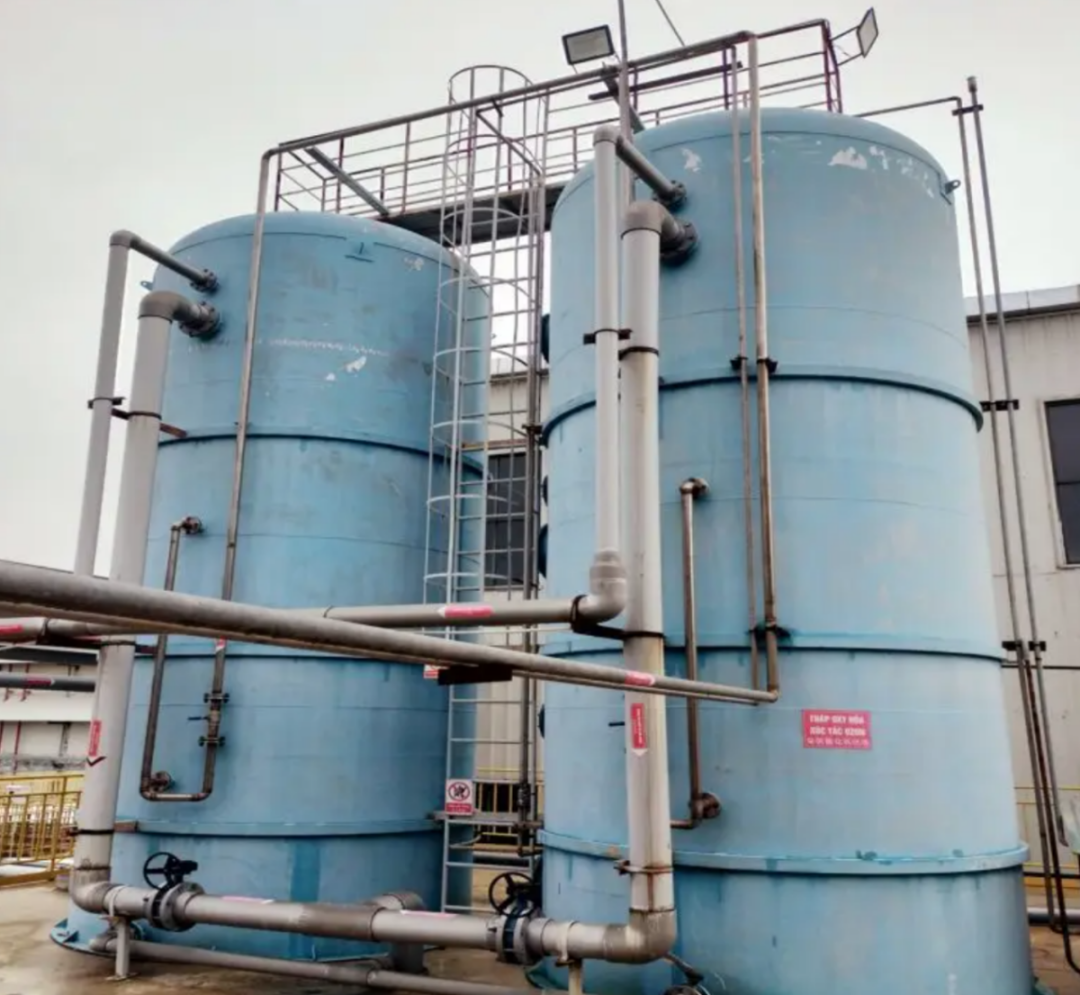
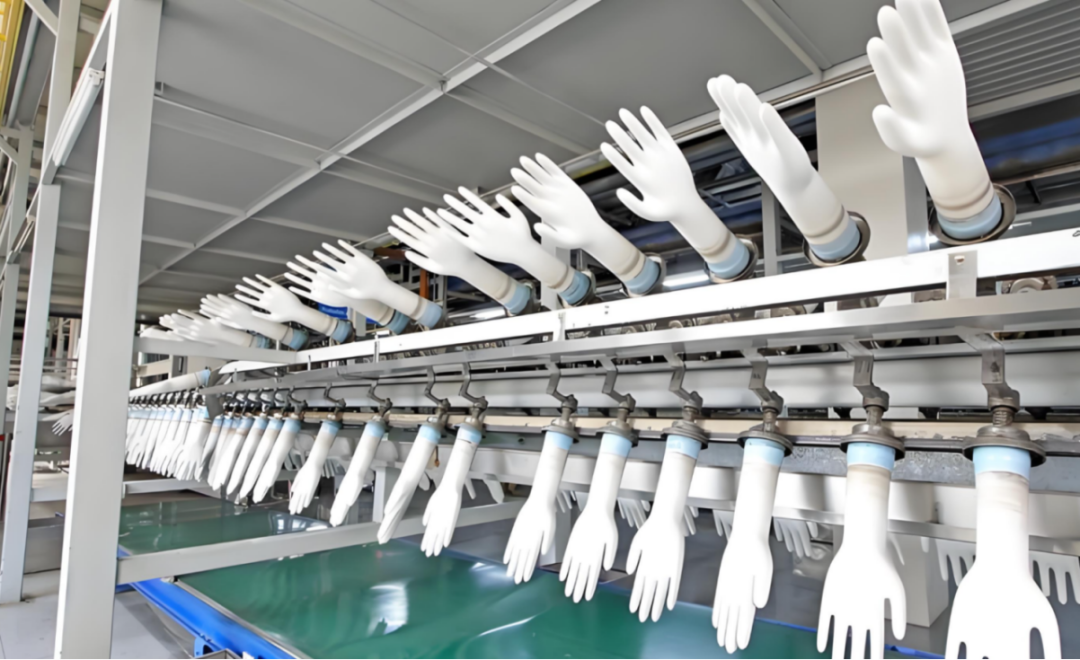
Recommended zero emission process:
Preprocessing: Grille+regulating tank+coagulation air flotation (removing 90% suspended solids)
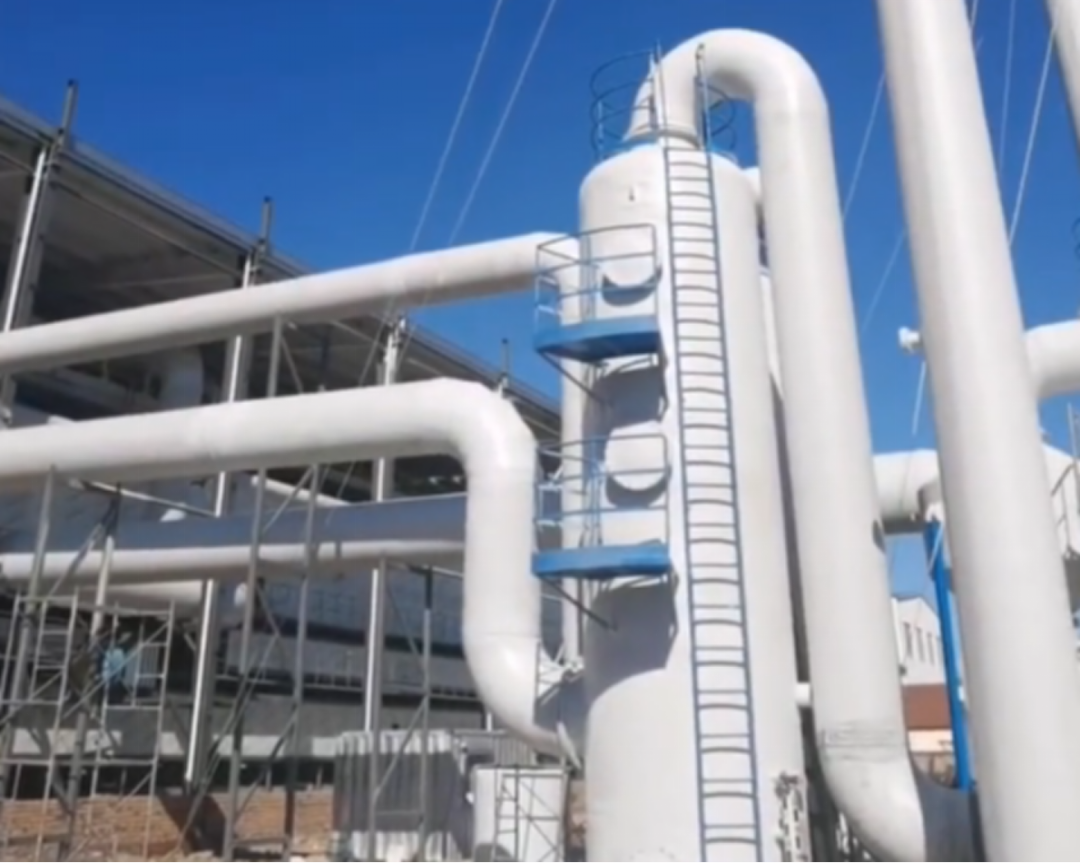
Membrane concentration: UF ultrafiltration+RO reverse osmosis, the produced water is reused for cooling towers and cleaning
Evaporative crystallization: MVR mechanical vapor recompression for extracting sodium sulfate crystalline salts
3. Energy saving and consumption reducing measures
Oven waste heat recovery: The exhaust is preheated with fresh air through a gas to gas heat exchanger, saving 20-30% of gas consumption
Variable frequency drive: all transmission chains, fans, and pumps are equipped with variable frequency drives
Low temperature vulcanization: Developing an efficient accelerator system, reducing the vulcanization temperature from 150 ℃ to 120 ℃, saving 15% energy
Coagulant recovery: Methanol is recycled through a distillation tower, reducing solvent consumption by 95%
4. Green raw materials and bio based nitrile
The industry trend is to develop bio based nitrile latex and use non edible corn or sugarcane ethanol to prepare bio based butadiene, which can reduce carbon footprint by more than 40%.
Simultaneously promote sulfur free sulfurization systems (peroxide or metal oxide cross-linking) to eliminate the carcinogenic risk of nitrosamines.