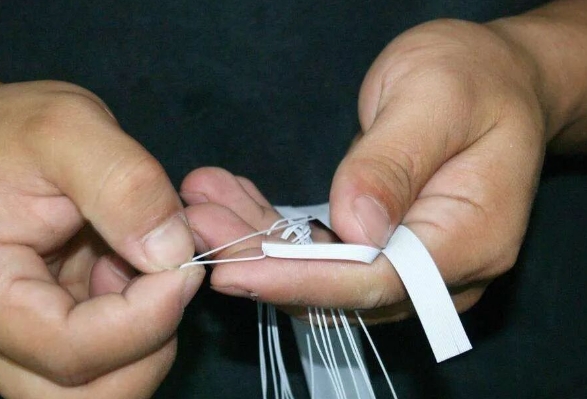
We have found that natural latex is like a versatile adhesive, and all industries cannot do without it!
Labor protection gloves, hot water bottles, children's toys, sponge seat cushions, etc. in daily life;
Natural latex can be found in various types of ball bladders, sponge rubber surfaces of table tennis rackets, toy balls, sponge rubber pads, etc. in the sports field.
There are over 70000 items in the world that are partially or completely made of natural latex.
The chemical structure of natural latex
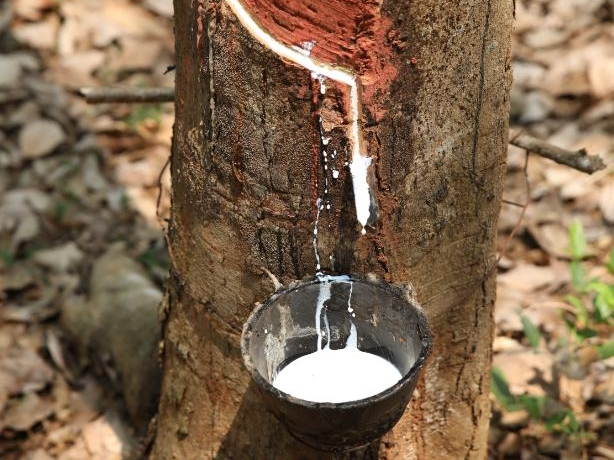
The natural rubber latex we currently use is obtained from cultivated rubber trees.
The natural rubber latex used in industry mainly comes from the Brazilian three leaf rubber tree. When cutting through the outer skin of a rubber tree and penetrating into its inner skin, latex can be obtained.
How is natural latex, which is widely used, derived from rubber trees; Blood” What about the transformation that appears in our lives?
This is closely related to its chemical composition.
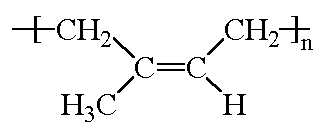
The effective component of natural latex is rubber hydrocarbon, whose chemical structure is cis-1,4-polyisoprene, which was discovered in 1958.
It is a linear thermoplastic natural polymer material characterized by high elasticity, good film-forming performance during bonding, and flexible adhesive film.
The vulcanization process of natural latex
In order to fully utilize the value of natural rubber and expand its application fields, it is often vulcanized before being used as a base material.
Sulfurization is a complex reaction process that can significantly improve the heat resistance, durability, and aging resistance of natural rubber latex.
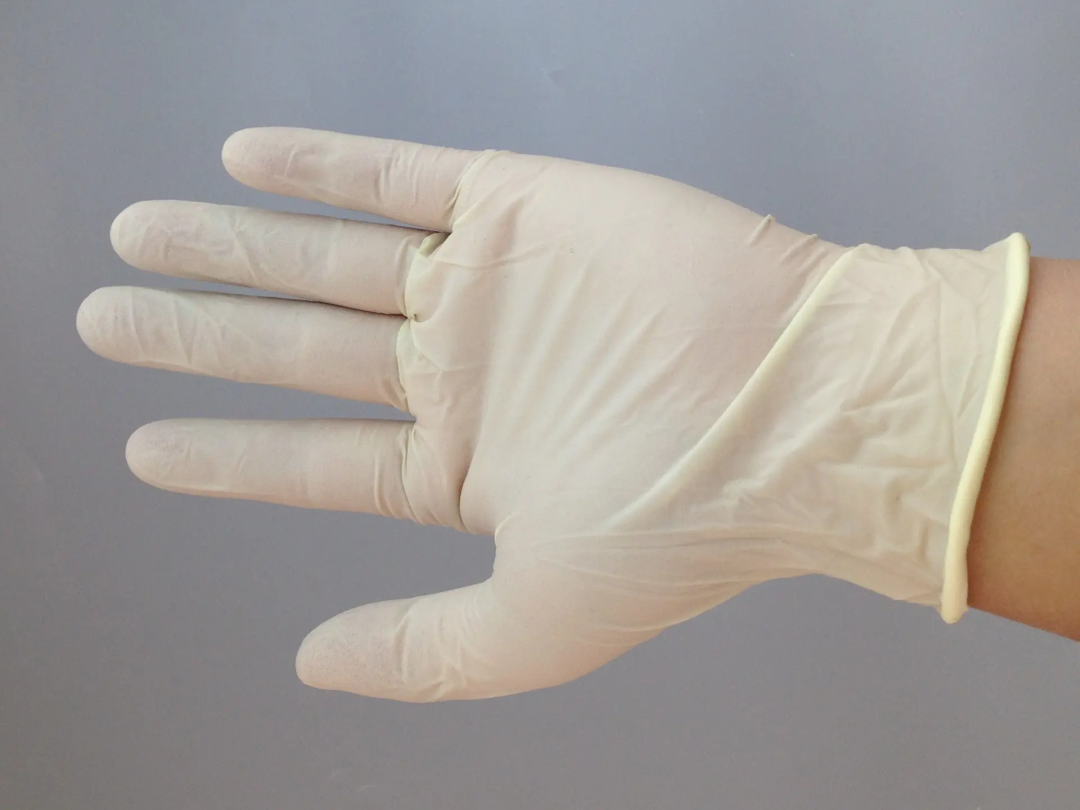
Take latex gloves as an example. From raw rubber to finished gloves, vulcanizing agent, accelerator, anti-aging agent, etc. need to be mixed in the raw rubber for standby.
Soak the cleaned hand mold in latex for sizing, then enter an oven to dry and fix the hand mold, heat for vulcanization, extract the rolled edges, perform anti sticking treatment, and demold.
The vulcanization process of natural latex is crucial!
Different vulcanization systems and processes result in significant differences in the elasticity, strength, scratch and wear resistance of modified products.
The vulcanization process formula can be adjusted to meet the needs of different scenarios.
Anti adhesion solution of natural latex
However, elastic and soft latex products may have issues such as stickiness and dryness.
During processing, powder spray, chlorination, polymer coating and other methods will be used to prevent latex adhesion.

Sloco recommends several anti adhesion products for the production process of natural latex, which can directly dissolve with natural latex before vulcanization without affecting the latex state. This provides more possibilities for solving the problem of sticky feeling or thermal adhesion during the construction process of latex products, helping to improve the dryness of latex products and bringing a smooth and skin friendly touch.
Silok adheres to the principle of; Continuously creating new value for customers; Our corporate mission is to work with you to develop a new solution for latex product anti sticking. Reject stickiness, welcome to inquire with Product Manager Xia CC